Photovoltaic glass turns parts of your building—windows, facades, skylights—into electricity-producing surfaces without sacrificing design. It converts sunlight into usable power by integrating solar cells into glass panels, letting you cut energy costs and add sustainable value to your space.
You’ll learn how Photovoltaic Glass for Modern Buildings works, where it fits best, and which innovations make it practical for modern buildings and vehicles. Expect clear comparisons of transparency, performance, and design trade-offs so you can judge whether this technology suits your project.
Fundamentals of Photovoltaic Glass
Photovoltaic glass combines light transmission, structural glass properties, and embedded solar cells to generate electricity while serving as building envelope material. You’ll find explanations of operating principles, main product types, the factors that affect energy yield, and how to incorporate PV glass into real façades and roofs.
How Photovoltaic Glass Works
Photovoltaic glass converts sunlight into electricity by incorporating photovoltaic cells within or on a glass pane. In most architectural products, thin-film or crystalline silicon cells sit between two glass layers or are laminated onto one surface; these cells absorb photons and create a voltage across a semiconductor junction.
Light management layers—anti-reflective coatings and textured glass—help increase the fraction of incident light reaching the cells. Electrical contacts and conductive busbars collect current; you’ll usually find them routed to junction boxes or embedded wiring that ties into the building’s DC-to-AC inverter.
Thermal behavior matters: higher glass temperature reduces cell efficiency, so manufacturers use low-iron glass, selective coatings, and ventilation gaps to balance transparency, insulation, and thermal dissipation.
Types of Photovoltaic Glass
You’ll choose a product based on transparency, structure, and cell technology.
- Laminated PV glass: glass–cell–glass assemblies bonded with PVB or resin for safety, common in skylights and structural façades.
- BIPV (building-integrated photovoltaics) glass modules: designed to replace conventional cladding or glazing with full-module electrical output and standardized mounting.
- Semi-transparent PV glass: allows visible light through while producing power; used in canopies, atria, and solar shading.
- Thin-film PV on glass: uses amorphous silicon, CIGS, or CdTe applied directly to glass; offers uniform appearance and flexibility in shape.
- Crystalline silicon PV laminated to glass: higher efficiency per area but less transparent; best where power density is critical.
Key material choices include low-iron float glass for better transmission, tempered or toughened glass for structural safety, and encapsulants rated for UV and thermal cycling.
Efficiency and Performance Factors
Your installed yield depends on optical, electrical, and environmental factors.
- Optical: glass transmittance, anti-reflective coatings, and cell coverage (packing density) set the available irradiance to cells.
- Electrical: cell type (mono-, multi-crystalline, thin-film), inverter efficiency, and wiring losses determine AC output.
- Thermal: module operating temperature (NOCT) reduces open-circuit voltage; ventilation and thermal breaks help moderate temperature.
- Orientation and shading: tilt, azimuth, and intermittent shading from mullions or surrounding buildings can cut yield dramatically.
- Durability: UV stability of encapsulants, glass surface abrasion resistance, and coefficient of thermal expansion matching affect long-term performance.
Manufacturers publish performance metrics such as peak power (Wp), glass visible light transmittance (VLT), and degradation rate (%/year); compare these when specifying products.
Integration with Building Design
You’ll need to coordinate PV glass selection with architectural, structural, and electrical systems early in the design process.
- Placement: façades, skylights, balustrades, and canopies each demand different transparency and structural ratings.
- Structural: confirm glass thickness, laminated configuration, and connection details meet wind load, impact, and fire-code requirements.
- Electrical: plan routing for DC cables, inverters, and monitoring; consider microinverters or string inverters depending on shading patterns.
- Daylighting and aesthetics: choose VLT and cell layout to balance interior light quality and exterior appearance; cell busbar color and spacing affect visible grid patterns.
- Maintenance and access: design for cleaning, inspection, and potential module replacement; surface coatings should permit routine washing without degradation.
Use integrated simulations—energy modeling, glare analysis, and structural load checks—to validate expected performance and occupant comfort before finalizing specifications.
Applications and Innovations
Photovoltaic glass converts façade, roof, and glazing surfaces into electricity-generating elements while preserving daylight and design intent. You’ll find uses that replace conventional cladding, new transparent options for windows and skylights, measurable lifecycle benefits, and emerging trends toward higher efficiency and integration with building systems.
Architectural Uses in Building-Integrated Photovoltaics (BIPV)
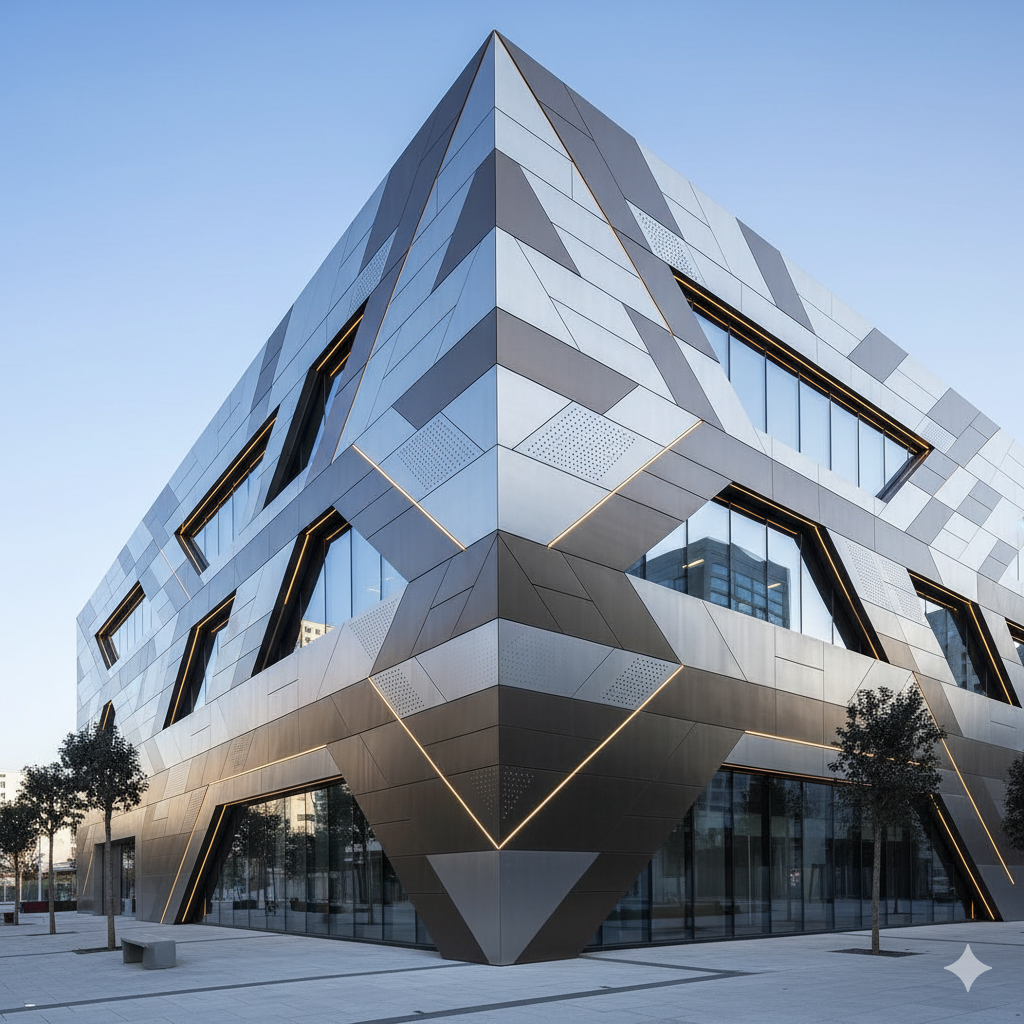
Photovoltaic glass functions as a direct substitute for curtain walls, spandrel panels, canopies, and skylights, so you can embed generation into the building envelope without separate mounting racks. Designers often choose semi-transparent modules for double-skin façades to balance daylighting and power output; typical visible light transmission ranges from about 10% to 70% depending on cell density and arrangement.
You’ll see frameless or framed glass units used in both new construction and retrofits. Performance considerations include orientation, tilt, shading from neighboring structures, and thermal behavior—double-glazed PV units reduce heat transfer better than single-glass modules. Typical installed power densities vary widely; expect lower W/m² than opaque rooftop PV but with the benefit of replacing building materials.
New Developments in Transparent Solar Technology
Transparent and semi-transparent cells now use patterned opaque strips, thin-film coatings, or organic and perovskite materials to harvest infrared and ultraviolet light while letting visible light pass. You can choose spectrally selective coatings that shift absorption toward non-visible bands, which improves transparency without sacrificing much energy yield.
Manufacturers are improving aesthetic control through pixelated cell layouts and colored interlayers, letting you match façade color and translucency. Flexible and lightweight glass alternatives enable curved surfaces and canopies. Stability and durability remain active development areas—encapsulation methods and multilayer stacks are extending operational life toward conventional module standards.
Sustainability Advantages
You reduce operational carbon when photovoltaic glass offsets grid electricity; integrating PV into façades also cuts embodied carbon by eliminating separate cladding materials. You’ll see energy savings from reduced grid purchases and lower HVAC loads when the glazing provides solar control or when double-glazed PV improves thermal insulation.
Lifecycle analysis must account for manufacturing energy, module lifespan, and end-of-life recycling. Many projects report payback times that improve with higher local electricity prices and incentives. Choosing longer-lasting encapsulation and recyclable glass and metals enhances the net sustainability outcome for your project.
Future Trends in Photovoltaic Glass
Expect steady efficiency gains from tandem and perovskite-on-silicon approaches, which will raise W/m² for transparent and semi-transparent modules. You’ll also see smarter integration: embedded power electronics, DC microgrids within buildings, and façades that actively manage glare and thermal loads in response to sensors.
Manufacturing trends point toward roll-to-roll and larger-format glass production to lower costs. Regulatory and incentive shifts that treat BIPV as both envelope and energy system will increase adoption. Watch for more certified recycling streams and standardized testing protocols that simplify specification and long-term performance guarantees for your projects.