
You want a smoother, faster path from concept to completion for your Toronto project, and Design Build Toronto delivers that by combining design and construction under one team. Choosing a design-build firm in Toronto lets you streamline communication, reduce delays, and align budget and vision from day one.
This article shows how Toronto design-build firms manage everything from custom homes to major renovations, what services they typically offer, and how to evaluate firms for quality, experience, and value. Expect practical guidance to help you pick a team that fits your goals, timeline, and neighbourhood realities.
Design Build Services in Toronto
You’ll find integrated teams that handle design, permitting, contracting, and on-site construction management. Projects in Toronto prioritize code compliance, energy performance, and urban site logistics.
Scope of Residential Projects
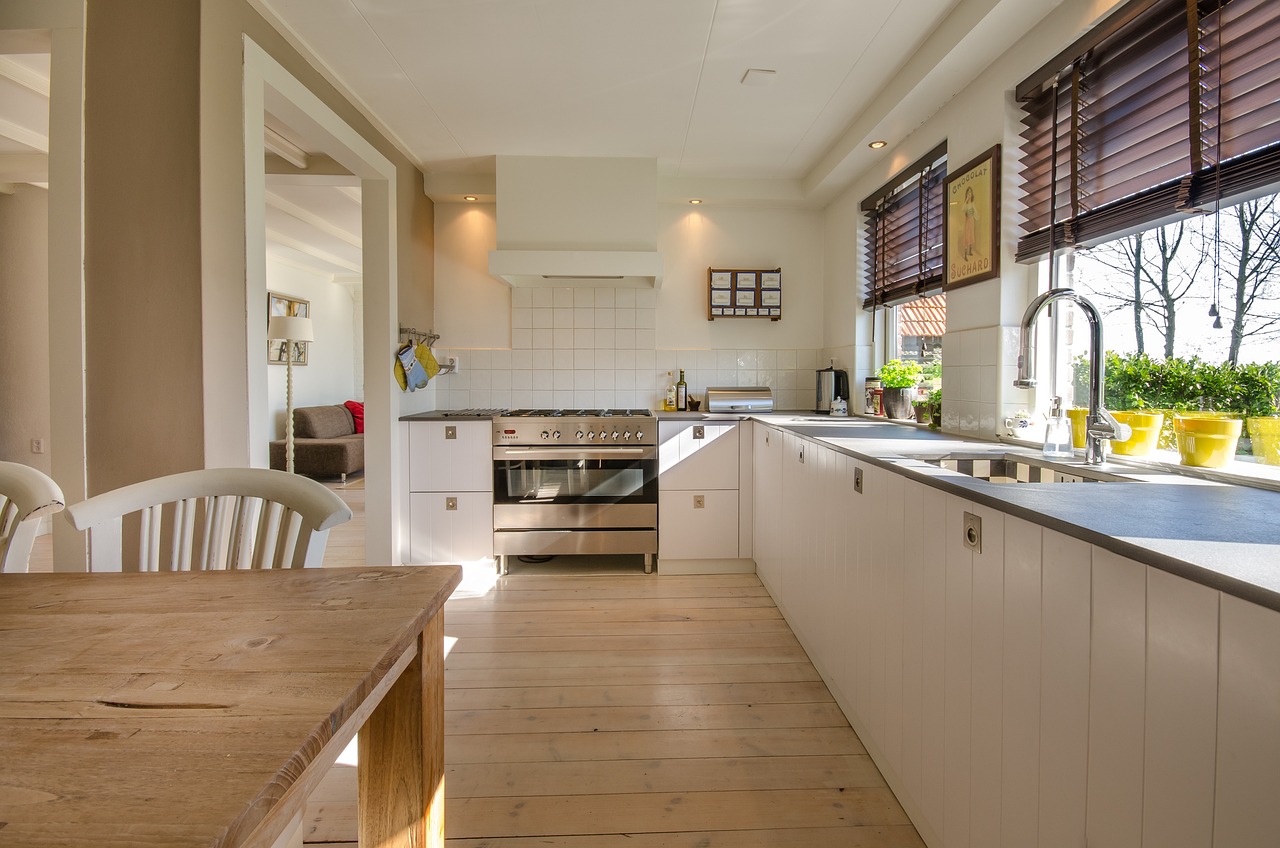
You can expect services for whole-house renovations, basement conversions, kitchen and bathroom remodels, and addition projects up to multi-unit laneway homes. Firms commonly bundle architectural design, structural engineering, interior finishes, and municipal permit submission so you don’t coordinate separate contractors.
Toronto design-build teams typically assess lot constraints, zoning setbacks, and Toronto Green Standard requirements early. They provide fixed-price or guaranteed-maximum-price estimates and phased schedules that list design milestones, permit timelines, and construction start/finish dates.
Key deliverables you should confirm:
- Detailed scope and drawings (schematic, permit, construction)
- Allowance matrix for finishes and fixtures
- Hard cost estimate, contingency, and payment schedule
- Project timeline with milestone dates and inspection checkpoints
Commercial Solutions
You’ll get services for tenant fit-outs, retail build-outs, office renovations, and light industrial refurbishments. Vendors often deliver turnkey packages that include interior design, MEP coordination, accessibility upgrades, and building-code compliance for fire, egress, and occupancy changes.
Expect commercial teams to manage municipal approvals, site logistics (staging, hoisting, noise mitigation), and coordination with property managers or landlords. They typically provide phased close-out documentation: as-built drawings, warranties, operation manuals, and maintenance schedules you can hand to facility staff.
Contract types and risk controls you should review:
- Lump-sum vs. cost-plus with guaranteed maximum price
- Liquidated damages and progress-payment milestones
- Subcontractor prequalification and insurance requirements
Benefits of the Design Build Approach
You gain a single point of responsibility, which reduces communication gaps between designers and builders and shortens the delivery timeline. This integrated model often lowers change orders because constructability reviews occur during design, not after bidding.
You’ll also see clearer cost control: design-build firms provide early cost feedback and can value-engineer options to align scope with budget. Risk allocation becomes more straightforward since the design-builder manages permits, subcontractors, and site safety, simplifying claims and warranty handling for you.
Practical benefits to confirm in proposals:
- Coordination routines (weekly site meetings, RFI turnarounds)
- Quality assurance processes and inspection schedules
- Warranty terms and post-completion service response times
Custom Home Construction
You can hire Toronto design-build specialists for bespoke homes, infill projects, and multi-storey replacements on compact urban lots. Teams usually combine architectural concepting, structural design for party-wall conditions, and interior millwork coordination tailored to your finishes and systems preferences.
Design-build custom work addresses Toronto-specific issues like tree-protection bylaws, side-yard setbacks, and foundation considerations on rowhouse or Victorian lot types. Expect iterative design reviews, material mock-ups, and a formal selection schedule for appliances, windows, and HVAC to lock costs and lead times before ordering.
Decisions to prioritize during procurement:
- Energy performance targets (insulation, windows, mechanical systems)
- Long-lead items list with committed delivery dates
- Site access plan for material deliveries and waste removal
Selecting a Design Build Firm in Toronto
You should prioritize proven local experience, clear project controls, and honest pricing. These areas drive predictable timelines, compliance with Toronto codes, and value for your budget.
Evaluating Experience and Expertise
Look for firms with completed projects similar in scale and type to yours—custom homes, major renovations, or commercial fit-outs. Ask for a portfolio showing finished work, before-and-after photos, and references you can contact.
Confirm the team’s certifications and registrations: Ontario Building Code knowledge, Tarion (if applicable), and local trade licenses. Inquire about in-house vs. subcontracted services to understand who will handle structural, MEP, and permit work.
Check for relevant awards or industry recognition, but weigh them against practical evidence like construction defect history and warranty responsiveness. Request a list of recent projects in your neighbourhood to verify familiarity with Toronto zoning, heritage rules, and typical permit timelines.
Understanding Project Management Processes
Request a clear project plan that outlines milestones, decision points, and who attends site meetings. The firm should provide a documented schedule with permit deadlines, material lead times, and a critical-path summary.
Ask how they handle change orders: what triggers them, approval workflow, and typical cost/time impact reporting. Expect weekly progress reports and a single point of contact—project manager or PM team—who coordinates trades, inspections, and deliveries.
Confirm their quality control: regular site checklists, subcontractor vetting procedures, and punch-list closeout steps. Make sure they use a collaboration tool (shared schedule, RFI log, or photo diary) so you can track progress and approvals in real time.
Transparency in Cost and Scheduling
Insist on an itemized contract that separates design fees, construction costs, contingency, permit fees, and disbursements. A guaranteed maximum price (GMP) or fixed-price bid reduces surprise costs; if they offer cost-plus, require a clear markup definition and monthly cost reporting.
Verify how they account for unknowns common in Toronto renovations—heritage-preservation requirements, asbestos/lead remediation, and unexpected structural issues. Ask for a realistic construction schedule with buffer for Toronto building permit queues and potential unionized-trade delays.
Request examples of past budget vs. final-cost reconciliation and schedule compliance rates. If a firm resists providing detailed breakdowns or historical performance data, treat that as a red flag.