
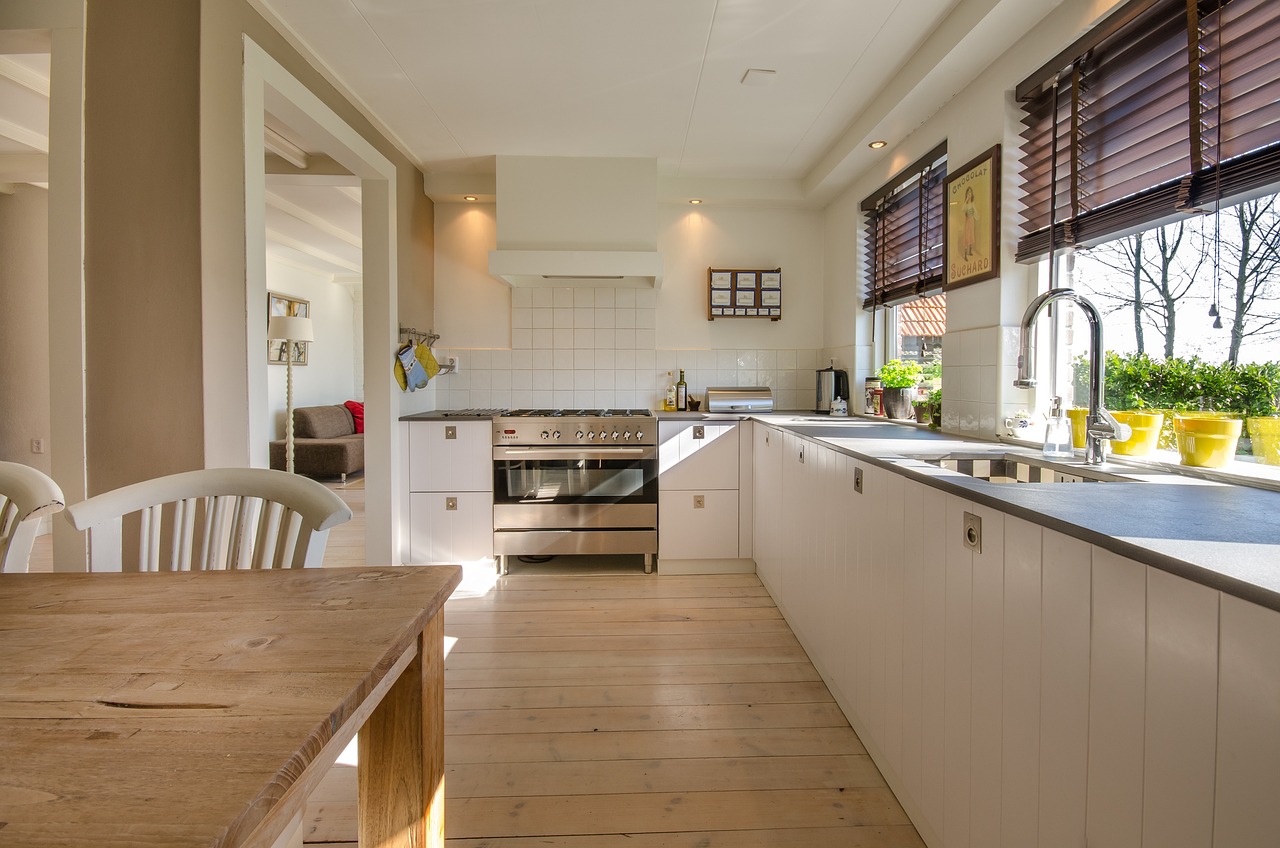
You’ll get a durable, low-maintenance surface that mimics marble or offers a clean, contemporary look—without the sealing and high upkeep natural stone demands. Quartz delivers consistent color and pattern, strong resistance to stains and scratches, and easy cleaning, making it one of the most practical choices for kitchens and bathrooms.
This post will walk you through Countertops Quartz Countertops key features and benefits, how to pick the right color and edge, and what to expect during measurement and installation so you can choose with confidence. Whether you want a timeless neutral slab or a bold veined statement, you’ll know how quartz performs and how it fits your budget and lifestyle.
Quartz Countertops: Features and Benefits
Quartz countertops combine engineered stone strength, consistent appearance, and low upkeep to fit kitchens and baths where you want durability and predictable design. You’ll find options that mimic marble or offer uniform color, resist stains without sealing, and require only routine cleaning.
Material Composition and Manufacturing Process
Quartz countertops are made from about 90–95% ground natural quartz mixed with 5–10% polymer resins and pigments. Manufacturers compress this blend using a vibration and high-pressure process called vibrocompression, then cure it with heat to form dense slabs.
The resin binds the quartz, which creates a non-porous surface that resists moisture and most household stains. Pigments and aggregates let producers add veining, sparkle, or consistent tones, so you get reliable pattern repeatability from slab to slab. Know that slabs can vary slightly by batch, so verify color and veining against installed pieces before final purchase.
Advantages Over Other Countertop Materials
You get several practical advantages compared with granite, marble, laminate, and solid surface. Quartz is non-porous, so it resists staining and bacterial growth without periodic sealing like natural stone requires. It’s harder and more scratch-resistant than most solid surfaces and laminate.
Heat resistance is moderate; avoid direct placement of hot pans. Unlike marble, quartz won’t etch from acidic spills. Seams tend to be less visible than on natural stone when matched properly, and installation tolerances are similar to other heavy stone slabs. Expect higher upfront cost than laminate but lower long‑term maintenance than most natural stones.
Design and Color Options
Manufacturers offer quartz in a wide palette: crisp whites, deep blacks, grays, warm creams, and engineered veining that replicates marble. Pattern options range from uniform color to bold, large-scale veins and reflective mirror-chip styles that add sparkle.
You can choose edge profiles (eased, bullnose, ogee) and integrated features like backsplashes, waterfall edges, and undermount sink cutouts. Because quartz is engineered, you’ll get consistent color across multiple slabs, which helps if you need exact matches for an island and perimeter counters. Request full slab viewing before fabrication to confirm pattern and color.
Durability and Maintenance Requirements
Quartz resists chips, scratches, and stains better than many alternatives, but it is not indestructible. Use cutting boards to prevent knife damage and trivets for hot cookware; prolonged heat can damage the resin and cause discoloration or cracking.
Maintenance is simple: clean daily with mild soap and water or a nonabrasive cleaner. For stubborn residues, use a plastic scraper and a gentle cleaner rather than abrasive pads. Avoid harsh chemicals like oven cleaners or high‑pH strippers. Most manufacturers provide limited warranties—check terms for impact, thermal shock, and seam performance.
Choosing and Installing Quartz Countertops
Quartz offers durable, low‑maintenance surfaces with consistent color and pattern. You’ll evaluate style, hire or DIY installation wisely, budget for material plus labor, and keep surfaces looking new with simple, routine care.
Selecting the Right Style for Your Space
Decide on color and pattern based on cabinet and floor tones. Lighter quartz makes small kitchens feel larger; mid‑tone or patterned slabs hide wear and crumbs better in high‑traffic areas.
Choose a finish—polished for shine, honed for matte look, or textured for a tactile surface—and match it to your design goals and lighting. Thickness (typically 2 cm or 3 cm) affects edge profiles and perceived heft; 3 cm suits islands and heavy use.
Pick an edge profile—simple eased, beveled, or waterfall—based on durability and cleaning needs. Thinner edges look modern but may require steel reinforcement on long spans. Request full‑slab samples or view large mockups in natural light before ordering.
Professional Installation Considerations
Hire a fabricator who templates onsite with your sinks and appliances in place to ensure accurate cuts. Confirm they use industry‑standard adhesives and support systems for long spans; ask for references and proof of insurance.
Expect installers to verify cabinet levelness and add plywood or brackets if needed to prevent stress on seams. Plan for sink drop‑in, undermount, or integrated installations—undermount requires precise holes and proper support.
Schedule installation after cabinetry and major appliances are set. Allow 24–48 hours for adhesive cure before heavy use and avoid cutting directly on the surface to protect warranty coverage.
Cost Factors and Value
Material prices typically range widely by brand and design complexity; expect variations from basic to premium lines. Add fabrication fees for cutouts, edge detailing, and seam polishing—complex layouts raise labor costs.
Factor in transport, installation labor, and potential cabinet reinforcement. A clear written estimate should itemize slab cost, seaming, edge finish, sink cutouts, and removal of old tops.
Compare warranties and maintenance requirements when assessing value. A slightly higher upfront cost for a reputable brand and certified installer can reduce repairs and replacements over the life of the countertop.
Long-Term Care Tips
Wipe spills promptly with mild detergent and a soft cloth; quartz resists stains but prolonged exposure to strong chemicals can dull the finish. Use trivets for hot pans—sudden, extreme heat may damage resin binders even though quartz resists heat better than some surfaces.
Avoid abrasive pads and harsh cleaners like oven‑cleaner or bleach at full strength. For tougher residues, use a plastic scraper and a non‑abrasive cleaner. Sealants are not required for quartz; follow the manufacturer’s maintenance instructions to keep your warranty valid.
Address chips or seam issues through your installer—do not attempt major repairs yourself to avoid voiding warranty.