
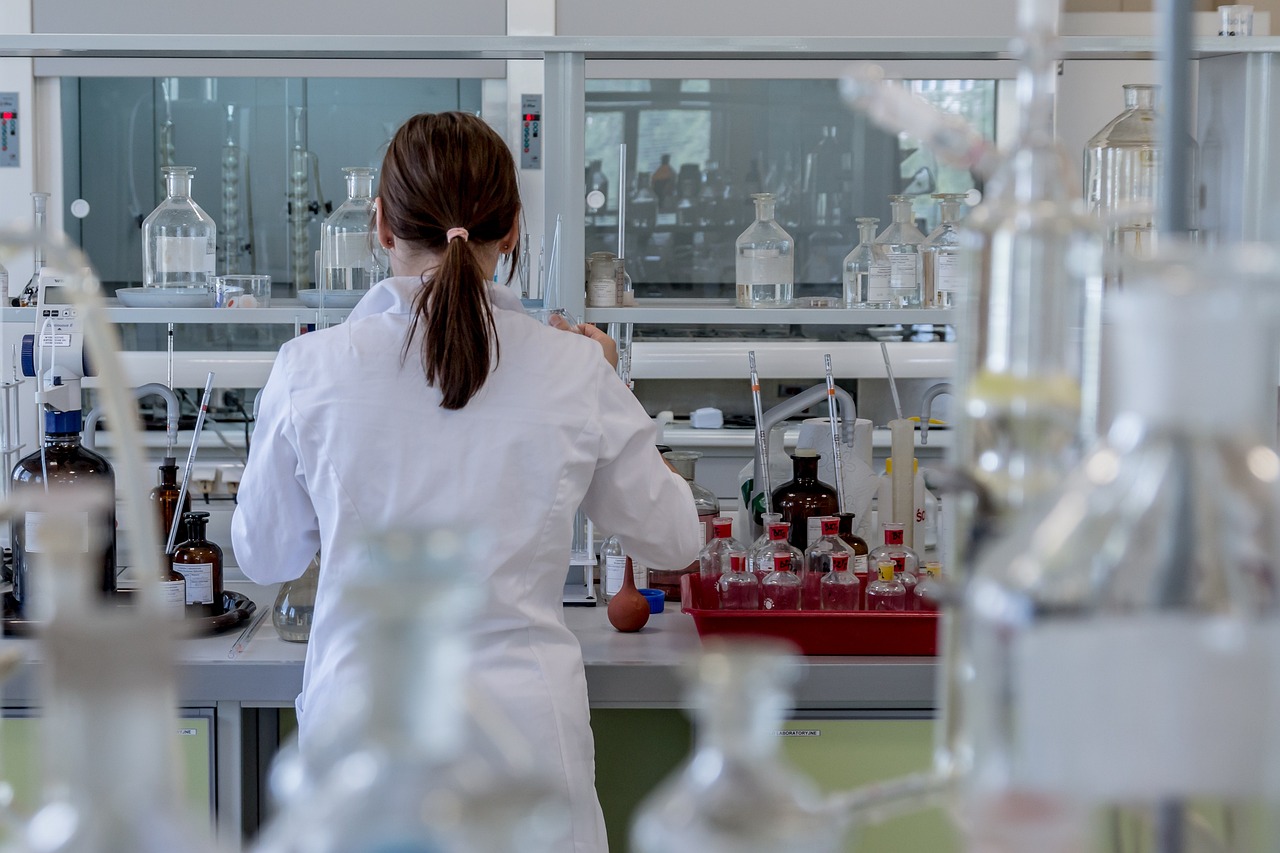
You need the right tools to get reliable results, stay safe, and keep your workflow efficient. Choose equipment that matches your methods and budget, prioritize quality for critical instruments, and follow simple maintenance routines to protect your data and extend gear life.
This post will guide you through common types of Lab Supplies and Equipment, practical selection criteria, and straightforward upkeep tips so you can outfit your lab with confidence. Expect clear comparisons and action-oriented advice that helps you make decisions faster and avoid common pitfalls.
Types of Lab Supplies and Equipment
You will need items that handle samples, measure and control experiments precisely, and protect you and your workspace. Focus on glassware/plasticware for reactions and storage, instruments for quantitation and control, and safety gear to reduce exposure and contamination.
Glassware and Plasticware
Glassware provides chemical resistance and heat tolerance for reactions and precise volumetric work. Use borosilicate beakers, Erlenmeyer flasks, volumetric flasks, and graduated cylinders for mixing, heating, and accurate volume measurement. Choose round- or flat-bottom flasks and condensers for synthesis or reflux setups.
Plasticware offers impact resistance and disposability when contamination control matters. Use polypropylene or polyethylene bottles and tubes for storage; polystyrene or polypropylene pipette tips and microplates for assays. For biological work, pick sterile, DNase/RNase-free options and certified low-retention plastics to minimize sample loss.
Maintain and inspect items: check volumetric glassware for calibration marks, discard chipped or scratched pieces, and avoid plastic solvent exposure that can leach or distort. Label containers clearly and implement a cleaning and sterilization schedule appropriate to the materials and experiments.
Measurement Instruments
Select instruments that match required accuracy and throughput. Analytical balances with 0.1 mg readability handle low-mass reagents; top-loading balances serve preparative needs. Calibrate balances with traceable weights and place them on vibration-free surfaces.
Spectrophotometers measure absorbance for concentration assays; choose single-beam or dual-beam models by throughput and precision needs. pH meters require regular calibration with standard buffers and proper electrode storage. Use temperature-controlled devices—incubators, ovens, refrigerated centrifuges—when thermal conditions affect results.
Record keeping matters: log calibration, maintenance, and validation. For high-precision work, use certificates of calibration and schedule preventative maintenance to avoid systematic errors that compromise data quality.
Laboratory Safety Gear
Protective equipment reduces chemical, biological, and physical risk. Wear safety goggles or face shields for splash protection, and choose chemical-resistant gloves (nitrile, neoprene, or butyl) matched to solvents and reagents used. Lab coats or aprons should be flame- or chemical-resistant depending on hazards; use disposable gowns for high-contamination work.
Engineering controls complement PPE. Use certified biological safety cabinets for aerosol-generating procedures, fume hoods for volatile or toxic vapors, and proper local exhaust ventilation for solvent use. Keep fire extinguishers, spill kits, eyewash stations, and safety showers accessible and inspected per schedule.
Train personnel on correct donning, doffing, and disposal procedures. Label hazard zones and maintain an up-to-date inventory of safety gear sizes and expiration dates to ensure readiness and compliance.
Selecting and Maintaining Laboratory Equipment
Choose tools that match your test methods, throughput, and budget while planning for calibration, routine maintenance, and safe storage to preserve accuracy and extend service life.
Factors in Choosing Lab Supplies
Select equipment based on the specific assays you run, the sample types you handle, and the throughput you expect. Prioritize instruments with traceable performance specifications (e.g., accuracy ±X%, detection limits), compatible consumables, and available replacement parts.
Evaluate total cost of ownership: purchase price, consumables, service contracts, and expected lifespan. Check vendor lead times and whether the supplier offers on-site installation and training.
Confirm regulatory and safety compliance relevant to your work—CLIA, ISO 17025, GLP, or local biosafety rules—and ensure documentation for audits.
Ask about validation data, user reviews in similar workflows, and interoperability with existing software or LIMS. Keep a short checklist (specifications, consumables, service, compliance) to compare contenders side-by-side.
Calibration and Maintenance
Create a written schedule for calibration and preventive maintenance tied to instrument type and workload. Use manufacturer-recommended intervals for calibrations, and shorten them when you notice drift, high rejection rates, or environmental stress.
Keep calibration records, certificates, and SOPs in a single retrievable file for audits. Use certified reference materials and traceable standards when calibrating and log tolerances and adjustment steps.
Train at least two staff members on routine maintenance tasks—cleaning optical paths, replacing filters, verifying temperature sensors—and lock out procedures for safety.
Plan for rapid repair: maintain spare critical parts, a list of certified service providers, and a replacement-equipment contingency for high-impact instruments.
Proper Storage and Handling
Store consumables and reagents under manufacturer-specified conditions: temperature range, humidity limits, light exposure, and shelf-life. Use labeled, dated inventory bins and first-expire-first-out (FEFO) rotation to prevent use of degraded supplies.
Protect sensitive instruments from dust, vibrations, and temperature swings by locating them on stable benches, using isolation platforms, and controlling room HVAC.
Handle delicate components—optics, electrodes, membranes—with gloves and designated tools to avoid contamination and mechanical damage. Implement SOPs for transport, including shock-absorbing packaging and secure mounts for bench-to-bench moves.
Maintain an environmental log (temperature, humidity) near critical equipment and review it weekly to catch conditions that could invalidate results.