
You’ll find Michigan’s mining story both historic and current: copper and iron shaped the state’s 19th- and early 20th-century economy, and modern operations now supply nickel, copper, and industrial materials used in construction and clean-energy technologies. Michigan remains a significant producer of key minerals, and understanding where mining happens and what it produces helps you see its role in today’s economy and energy transition.
This article guides you through how mining developed in the Upper Peninsula and beyond, how modern mines operate, and the economic and environmental trade-offs communities face. Expect clear facts about commodity production, the types of mines active today, and the regulatory and environmental issues that will influence mining’s future in Michigan.
Overview of Mining in Michigan
You will find deep historical roots, an active mix of metallic and nonmetallic production, and concentrated activity in the Upper Peninsula and the iron ranges. The state supplies iron ore, copper, nickel, aggregates, cement, and emerging battery metals that support regional industry and national supply chains.
History of Mining in Michigan
You can trace mining in Michigan back thousands of years — Native Americans worked copper deposits on the Keweenaw Peninsula long before European contact. Commercial iron mining began in the mid-1800s with the Marquette Range opening in 1845; by the 1870s Michigan’s iron output exceeded one million tons annually.
Industrial-scale copper and iron extraction shaped towns, transport networks, and regional economies across the Upper Peninsula. Production peaked in the late 19th and early 20th centuries, then declined as deposits and markets shifted. In recent years, renewed interest in copper and nickel for electric vehicles and energy storage has prompted exploration and new projects.
Major Types of Minerals Extracted
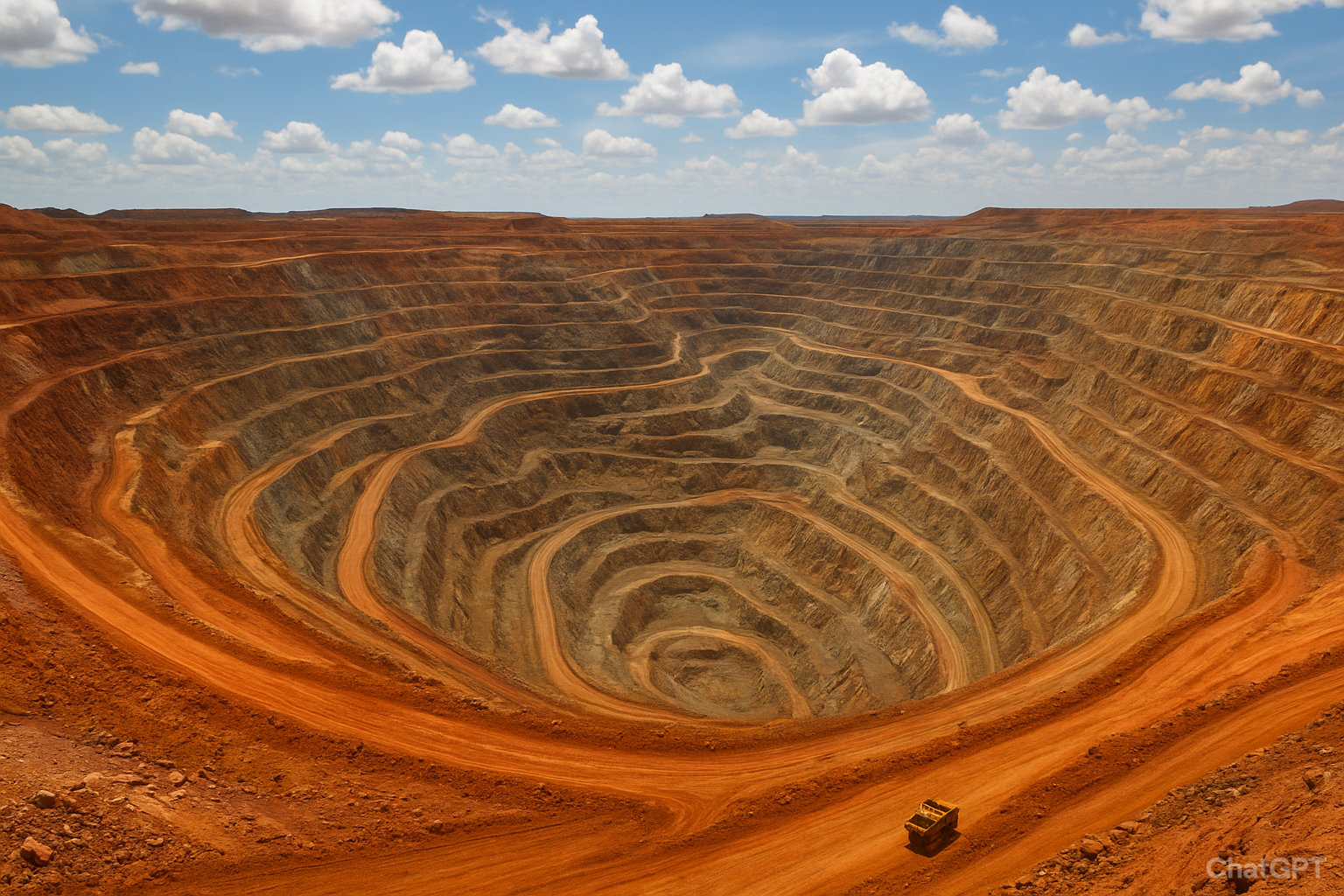
- Iron ore: Primary driver historically and today for steelmaking; mined mainly as taconite from open-pit operations.
- Copper: Keweenaw and surrounding areas host both historical underground workings and modern exploration for sulfide and native copper.
- Nickel & battery metals: Exploration targets have increased due to demand for EV batteries; projects focus on nickel and associated copper and cobalt.
- Construction materials: Cement, sand, gravel, and crushed stone support statewide construction and infrastructure.
- Other minerals: Potash and limited industrial minerals appear in project pipelines and localized production.
You will notice the balance between legacy commodities (iron, copper) and growth commodities (nickel, battery metals). This mix affects permitting, community impact, and local job markets.
Key Mining Regions
- Keweenaw Peninsula: Historic copper district with archaeological and 19th–20th century mining sites; modern exploration targets copper-nickel sulfides.
- Marquette and Iron Ranges (Marquette, Menominee, Gogebic): Core iron-ore producing areas with taconite operations, processing plants, and rail links to Great Lakes ports.
- Upper Peninsula interior: Scattered projects for nickel, copper, and precious metals; geology favorable for sulfide deposits that host battery-relevant metals.
- Lower Michigan and Thumb region: Centers for aggregate, sand, gravel, and cement production serving urban construction demand.
Maps and transport infrastructure concentrate activity near railways and Great Lakes shipping ports, which you should consider when evaluating project economics and market access.
Economic and Environmental Impact
Mining provides jobs, tax revenue, and materials for Michigan’s manufacturing and energy sectors while also creating measurable environmental risks that require active management. Expect trade-offs between local economic gains and the need for water protection, land reclamation, and community health safeguards.
Contribution to Michigan’s Economy
You benefit from mining through direct employment and supply-chain spending. Mines in the Upper Peninsula and other regions support thousands of jobs in extraction, processing, transportation, and equipment maintenance.
Tax revenue and royalties fund county services and local infrastructure; some projects add millions in annual local expenditures. Demand for nickel, copper, and industrial minerals feeds Michigan’s EV supply chains and steelmaking inputs, which sustains manufacturers and attracts related investment.
Look for both short- and long-term economic effects. Construction and permitting phases boost local retail and services quickly, while operational mines produce steady payrolls and long-term contracts. Projected commodity prices and permit timelines directly influence how many jobs and how much local revenue you can expect.
Environmental Regulations and Practices
You must follow federal and state permits that govern water discharge, wetland impacts, and air emissions. Michigan agencies require reclamation plans, groundwater monitoring, and stormwater controls as part of approvals; these conditions become enforceable permits tied to mine operations.
Operators commonly use lined tailings facilities, progressive reclamation, and water treatment systems to limit contamination risks. Public and tribal review processes also influence permit requirements and can add mitigation measures.
Compliance obligations include routine sampling, reporting, and corrective actions for exceedances. If violations occur, regulators can impose fines, stop-work orders, or require remedial projects. You should weigh the effectiveness of planned controls against local hydrogeology and proximity to sensitive waters like Lake Superior.
Community and Workforce Development
You see direct community impacts in workforce training, local hiring, and infrastructure upgrades. Companies often partner with community colleges and unions to create apprenticeship programs, safety training, and certification paths for heavy-equipment operators and environmental technicians.
Local businesses gain from procurement opportunities for trucking, catering, and fabrication. However, community concerns—traffic, noise, and effects on tourism or fishing—shape project timelines and social license to operate.
Engagement with tribal governments and civic groups affects workforce outcomes and benefit-sharing agreements. Mitigation measures can include priority hiring for local residents, funding for public services, and long-term land-use commitments that influence how lasting the economic benefits will be for your community.