
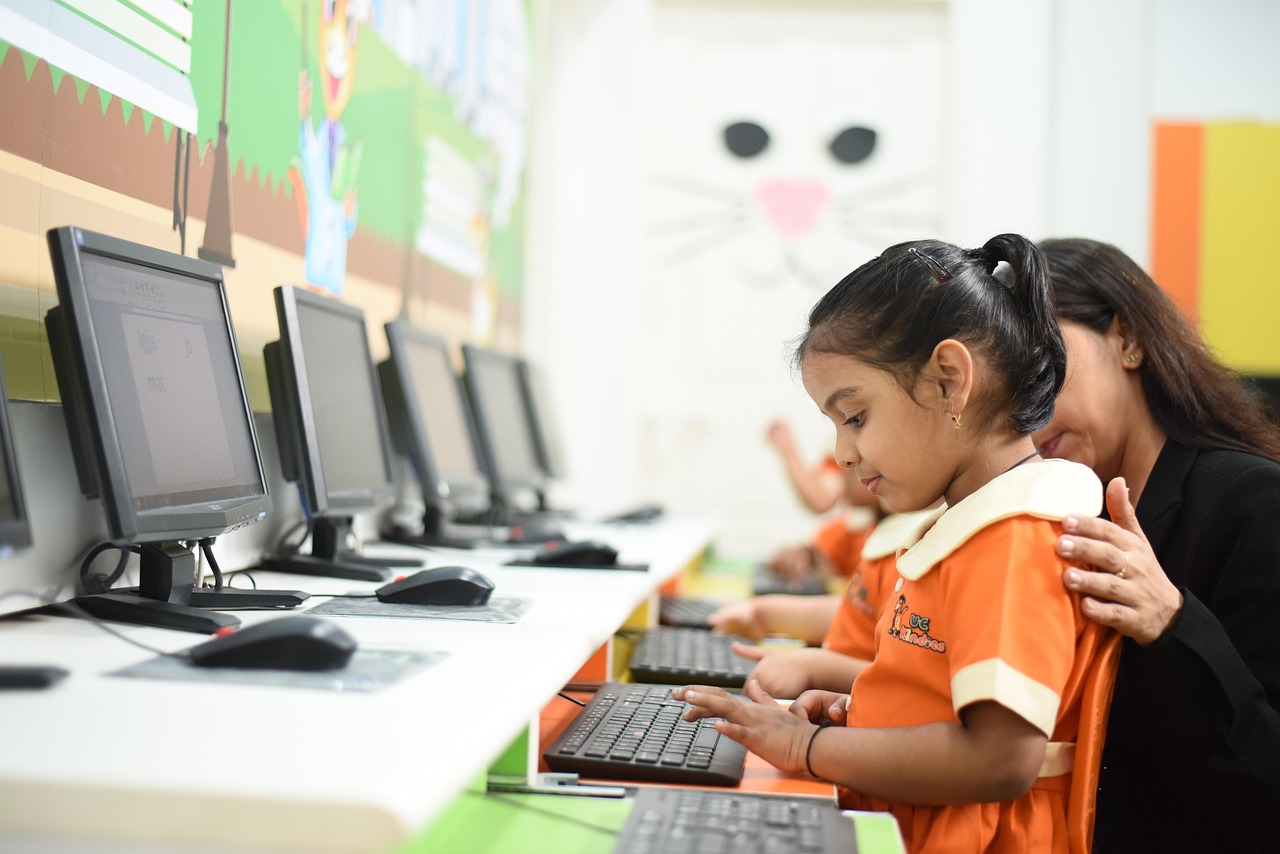
You want to know what nursery school actually does for your child and how it differs from other early-childhood options. Nursery school gives your child structured play, social interaction, and early learning experiences that build language, emotional regulation, and readiness for kindergarten.
As you explore this post, you’ll find clear explanations of what nursery school means, practical benefits you can expect, and how to choose a program that fits your family’s needs. Expect concise, evidence-based guidance that helps you decide whether nursery school is the right step for your child.
What Is Nursery School?
You’ll find nursery school serves children typically aged 2½ to 5, combining supervised play with guided early learning. Programs emphasize social skills, basic pre-literacy and numeracy, routines, and safe group interaction.
Key Features of Nursery School
Nursery schools organize the day around short, scaffolded activities and free-play periods. Expect small-group circle time, sensory tables, story reading, and simple art projects that build fine motor and language skills.
Staff-to-child ratios are lower than in larger childcare centers to allow individualized attention. Trained teachers use observation and informal assessment to track progress and adjust activities. Licensed programs meet safety, staff qualification, and health-record standards in most jurisdictions.
Environments are intentionally arranged with labeled learning centers (blocks, dramatic play, books). Schedules include predictable routines—arrival, snack, outdoor play—that support self-regulation. Family communication often includes daily reports, portfolios, and periodic conferences.
Purpose and Objectives
Nursery school prepares children for formal kindergarten by targeting specific developmental goals. You will see emphasis on turn-taking, following multi-step directions, name recognition, phonemic awareness, counting to 10, and basic problem-solving.
Programs aim to strengthen social-emotional skills: empathy, frustration tolerance, and cooperative play. You also get exposure to classroom-like expectations—sitting for short lessons, transitioning between activities, and following teacher prompts.
Health and safety objectives are practical: handwashing routines, safe use of materials, and supervised outdoor activity. Collaboration with families supports continuity—teachers often suggest at-home activities that reinforce classroom learning.
Differences From Other Early Childhood Education Settings
Compared with daycare, nursery school focuses more on learning goals and structured early education rather than primarily on supervision and child care logistics. Daycare centers may prioritize caregiving across longer hours; nursery schools typically run shorter, school-day sessions with curriculum goals.
Pre-K programs (publicly funded) often align closely with kindergarten standards and may require children to be older; nursery schools can serve younger toddlers and use more play-based, exploratory approaches. Montessori or specialized programs differ again by pedagogy—Montessori emphasizes self-directed activity and specific materials, while nursery schools commonly blend teacher-led and child-initiated play.
You should compare hours, teacher qualifications, curriculum focus, and licensing when choosing between settings. These factors directly affect daily routines, learning emphasis, and how well the program matches your child’s needs.
Benefits of Nursery School
Nursery school helps your child learn to relate to others, form routines, and tackle early academic tasks with confidence. Expect daily practice in communication, guided play that supports early literacy and numeracy, and opportunities to take age-appropriate responsibilities.
Social and Emotional Development
You’ll see your child practice sharing, turn-taking, and negotiating with peers during structured activities and free play. Teachers model conflict resolution and coach emotions by naming feelings, which helps your child build vocabulary to express frustration or joy instead of acting out.
Group routines—circle time, snack, and clean-up—teach predictability and reduce anxiety. Those routines also let your child experience belonging and receive regular positive feedback, which strengthens self-esteem.
Nursery environments provide many small chances to lead or follow: choosing activities, helping a friend, or receiving a role in class jobs. These moments build empathy, cooperation, and the social confidence needed for primary school.
Academic Readiness
Daily activities target pre-literacy and pre-numeracy skills through songs, stories, counting games, and hands-on materials. You’ll notice improvements in attention span and the ability to follow multi-step instructions during classroom tasks.
Teachers use play-based lessons to introduce letter recognition, phonemic awareness, shape and number concepts, and simple patterning. These concrete, repeated experiences make abstract school skills easier to grasp later.
Nursery also fosters language growth: conversations with adults and peers expand vocabulary and sentence structure. That language foundation directly supports reading comprehension and classroom learning when formal schooling begins.
Building Independence
Nursery school gives your child frequent, supported chances to manage self-care tasks like handwashing, putting on shoes, and handling lunch containers. Practicing these routines increases confidence in daily responsibilities.
You’ll see decision-making grow as your child selects activities, finishes projects, and follows classroom rules with less adult prompting. That autonomy translates to better focus and persistence on tasks.
Teachers gradually expect children to complete short tasks independently—packing up, following a schedule, or completing simple art projects. Those repeated expectations create practical skills you’ll want your child to bring into kindergarten.