
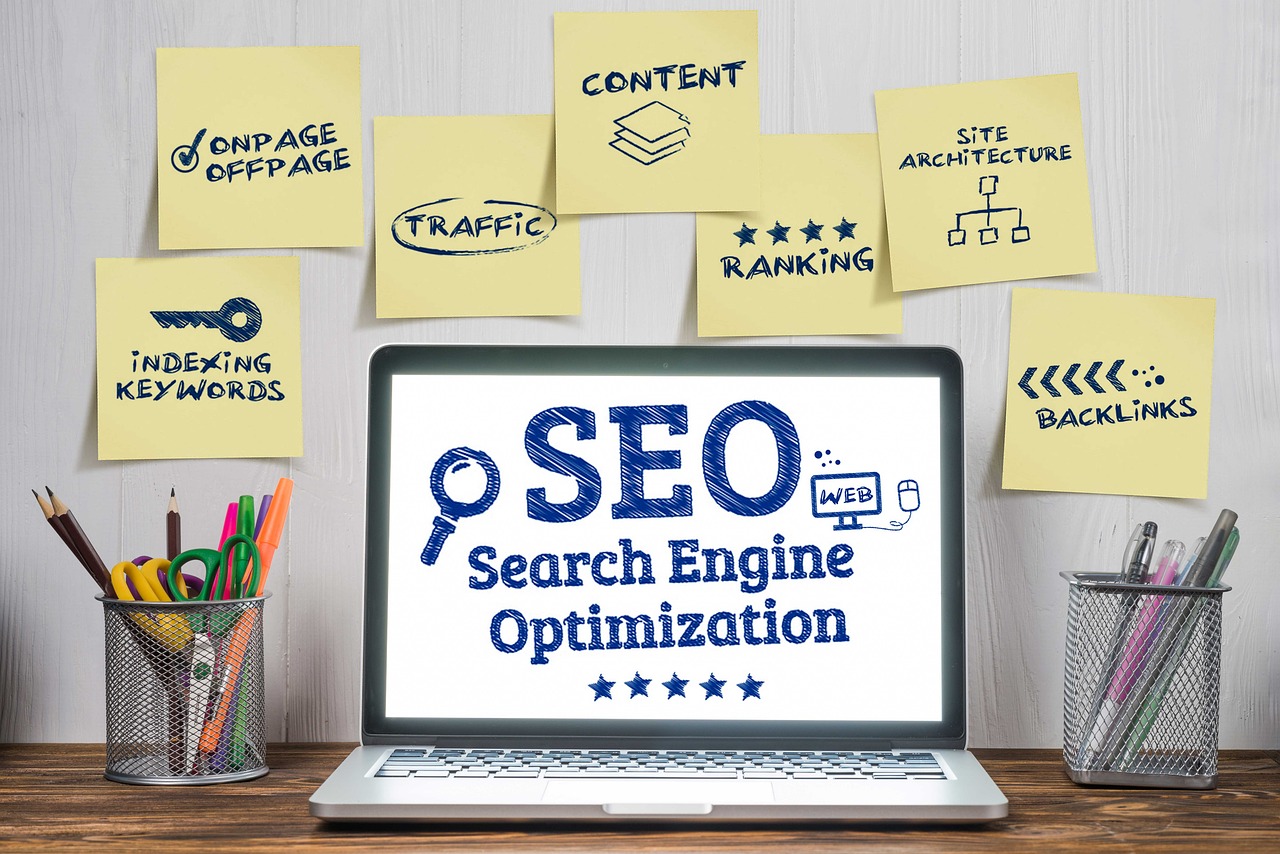
You want clear, measurable local SEO results in Mississauga, not vague promises. A strong SEO company in Mississauga will improve your local visibility, drive qualified traffic, and convert searches into leads by combining local expertise, technical SEO, and measurable strategy.
This article shows what reputable Mississauga SEO firms actually do, how they measure success, and which capabilities matter for businesses competing in crowded local markets.
You’ll learn how to evaluate agencies on real criteria—track record, local knowledge, reporting, and fit with your goals—so you can pick a partner that delivers consistent, accountable growth.
SEO Company in Mississauga Overview
Mississauga agencies focus on local search visibility, technical site performance, and measurable lead generation. You’ll find firms that combine local-market expertise with analytics-driven campaigns and industry-specific experience.
What Sets Mississauga SEO Companies Apart
Mississauga SEO firms emphasize local search and multi-language optimization to reach a diverse Greater Toronto Area audience. They often optimize Google Business Profiles, local citations, and region-specific schema to improve map pack rankings and drive foot traffic to physical locations.
Many agencies balance technical fixes—site speed, crawlability, and mobile responsiveness—with content strategies tailored to local intent. You’ll notice a stronger focus on ROI reporting: month-over-month ranking, organic traffic, and lead conversion tracking tied to specific campaigns.
Mississauga providers also compete on practical deliverables: competitor audits, keyword gap analysis against Toronto and GTA rivals, and clear timelines for on-page and off-page milestones. You should expect transparent pricing tiers for SMBs and enterprise clients.
Types of SEO Services Offered
Most firms offer core services: technical SEO, on-page content optimization, and off-page link building. Technical work covers site architecture, canonicalization, XML sitemaps, and page-speed improvements using tools like Lighthouse and Search Console.
Content services include keyword research, localized landing pages, blog programs, and schema markup. Off-page services range from local citation management to outreach-based link acquisition and digital PR targeted at regional publications.
You’ll also find analytics and CRO packages: setup of GA4, conversion tracking, A/B testing, and monthly performance dashboards. Many agencies add paid search and social integration to accelerate visibility while organic efforts take effect.
Key Industries Served in Mississauga
Retail and professional services (law firms, accountants, real estate) dominate local SEO demand. Brick-and-mortar retailers and restaurants need optimized Google Business Profiles and local landing pages to capture nearby customers.
B2B sectors like logistics, manufacturing, and IT services require technical SEO and content that addresses procurement cycles and buyer personas. Healthcare and home services focus on reputation management, reviews, and hyperlocal targeting.
E-commerce businesses prioritize site speed, structured data, and product-level SEO to compete with national players. You should choose a provider that has direct experience in your industry and can show comparable case studies or performance metrics.
Choosing the Best SEO Partner
Focus on concrete selection factors, local expertise, and measurable outcomes so you pick an agency that can grow traffic, leads, and local visibility on realistic timelines.
Criteria for Evaluating SEO Companies
Check case studies and client results that show measurable gains in organic traffic, keyword rankings, and conversions. Ask for before-and-after metrics, timeline estimates, and examples from businesses similar in size and industry to yours.
Review the agency’s process: on-page optimization, technical SEO audits, content strategy, backlink acquisition, and local listings management. Confirm they use accepted tools (Google Search Console, Analytics, Screaming Frog, Ahrefs/SEMrush) and provide regular reporting.
Assess transparency and communication. Get a clear scope of work, deliverables, reporting cadence, and a named account manager. Request a written contract with KPIs, milestones, and an exit clause to avoid vendor lock-in.
Evaluate pricing versus value. Low-cost offers may skip critical technical work or ethical link building. Higher fees can be justified by proven ROI, dedicated resources, and documented success with businesses in Mississauga or similar markets.
Benefits of Local SEO Expertise
Local SEO knowledge improves your visibility for city-specific queries like “plumber in Mississauga” or “Mississauga dental clinic.” An agency familiar with local citation patterns, Google Business Profile optimization, and regional search behavior can prioritize the right keywords and neighborhoods.
Local competitors, multilingual audiences, and commuting patterns matter in Mississauga. Your partner should audit local citations, manage reviews, and optimize for “near me” and map-pack placements that drive in-person visits and calls.
Expect targeted tactics such as structured local schema, consistent NAP across directories, geo-targeted content, and localized link opportunities (chamber listings, local news, business associations). Those tactics convert better than broad, national SEO when your customers are in a defined geographic area.
Measuring SEO Success
Define specific KPIs up front: organic sessions, conversion rate from organic traffic, local rankings for target keywords, Google Business Profile views/calls, and backlinks of quality above quantity. Use baseline metrics to make month-to-month comparisons meaningful.
Insist on a reporting dashboard and monthly narrative reports that explain why metrics moved and which tasks produced the change. Reports should link traffic gains to actions—content published, technical fixes, or citation updates—so you can attribute ROI.
Set timelines and review points. Typical meaningful traction appears in 3–6 months for on-page and local fixes, and 6–12+ months for sustained ranking improvements from content and link building. Build quarterly goals and a process for adjusting strategy if targets lag.